
The Politeness Trap
To avoid immediate discomfort in the room, participants nod along with ambitious goals. Unvoiced concerns and hidden capacity constraints silently transform into passive resistance by Monday morning.
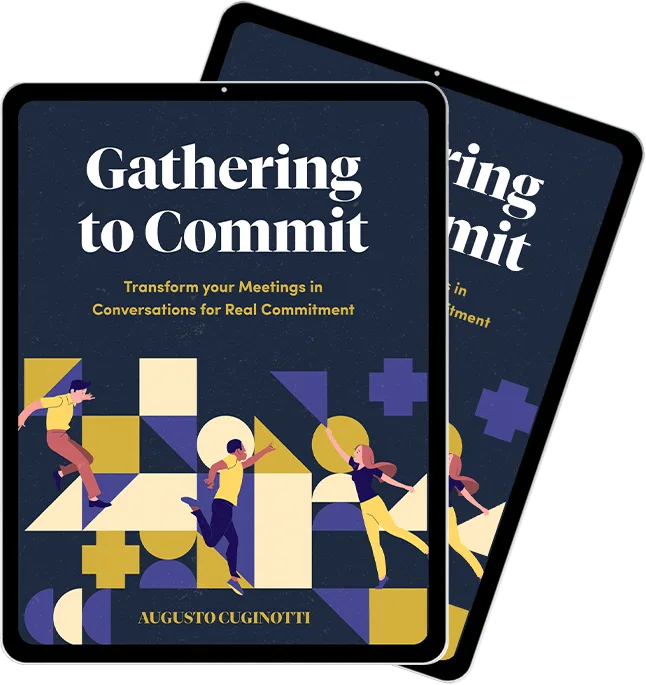
The 4-Stage Commitment Protocol
Turn polite nodding into explicit conditions of satisfaction and mutual closure.
A Practical Guide for High-Stakes Meetings
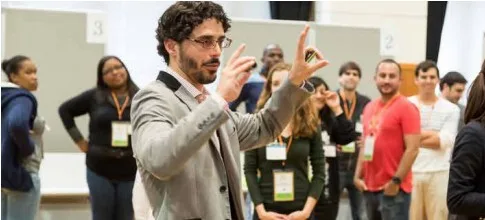
Hi, I'm Augusto, author of this guide and process consultant. In it, you will find down-to-earth protocols to turn polite meeting consensus into explicit, binding commitments that stick.
Instant PDF download. No marketing sequences.
We have sent your download link to your email.
Teams do not fail because people lack competence. They fail because meetings rely on polite social consensus rather than explicit linguistic commitments.
To avoid immediate discomfort in the room, participants nod along with ambitious goals. Unvoiced concerns and hidden capacity constraints silently transform into passive resistance by Monday morning.
Tasks are assigned as vague wishes: “Let’s look into this” or “We need better alignment.” Without a named listener, explicit criteria for success, and a fixed deadline, nobody has actually promised anything.
Without an agreed protocol for declaring completion or renegotiating early, commitments dissolve in silence. People assume someone else is handling it until the deadline has already passed.
In Speech Acts Theory (Austin, Searle, Flores), a conversation creates new commitments and social realities. Step through the four states of a binding promise below.
“We really need someone to take ownership of the client onboarding deck soon.”
Result: Ambiguous ownership, deferred conflict, no explicit accountability.
“Augusto, I request that you complete the revised client onboarding deck with the three new pricing tiers by Thursday at 4pm EST. Can you commit to this?”
Result: Binary clarity on terms, timeline, and mutual obligations.
Protocol rule: Must specify: Speaker, Listener, Specific Conditions of Satisfaction, and Defined Timeframe.
Process consulting balances technical task execution with human presence. When holding strategic rooms in Japan, Europe, and Latin America, turning loose ideas into explicit agreements requires attending to power, silence, and room geometry.
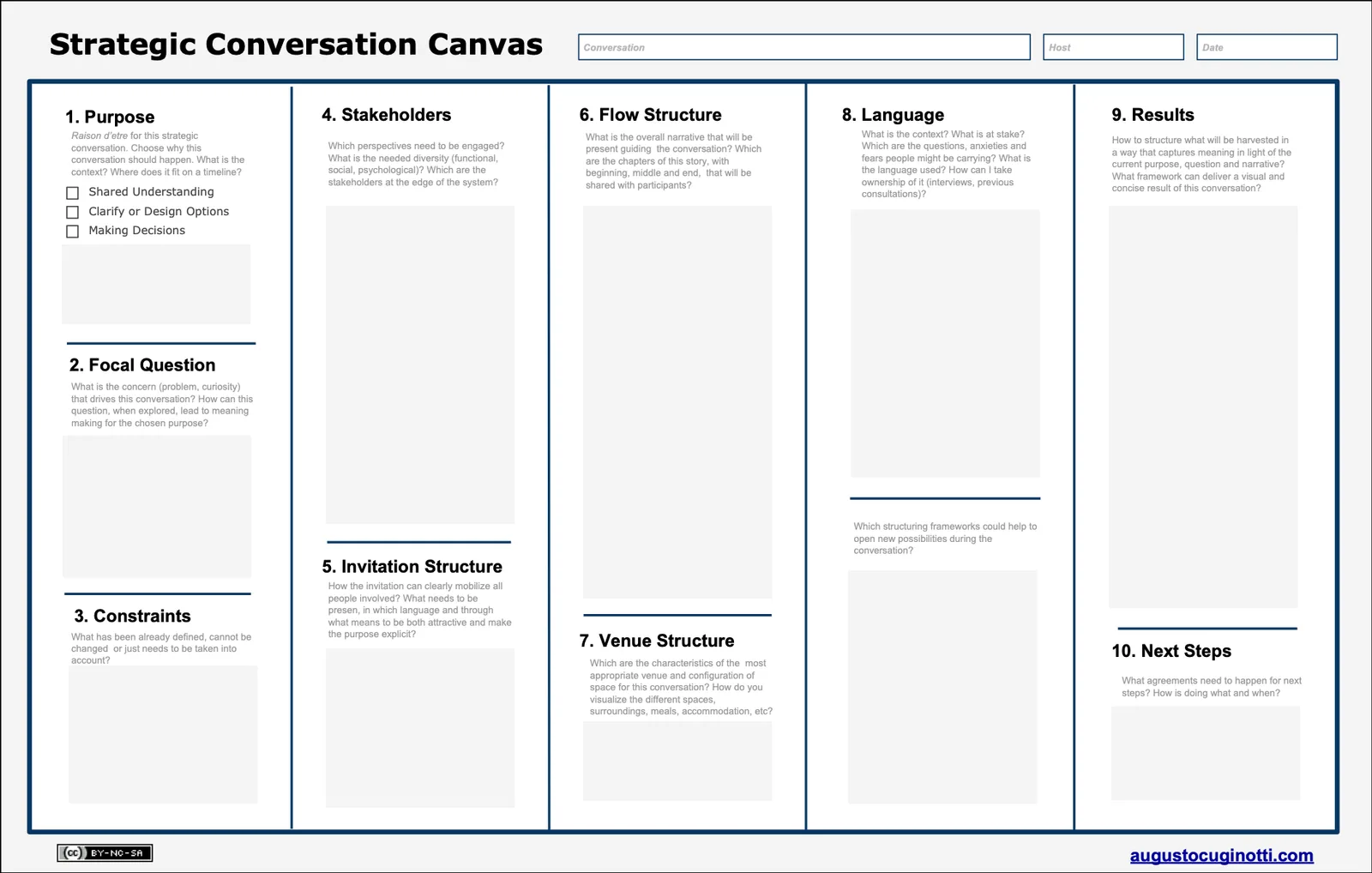
Gathering to Commit works directly alongside the ten-point Strategic Conversation Canvas, ensuring purpose, invitation, room geometry, and harvest agreements are anchored before anyone enters the room.
A concise, practical handbook written for team leads, executives, facilitators, and anyone responsible for high-stakes collaborative outcomes.
Language generates binding obligations, possibilities, and durable working relationships.
Mastering Assertions, Assessments, Declarations, Requests, and Offers in everyday leadership conversations.
How physical and virtual geometry, boundary agreements, and invitations determine whether commitments can survive.
Creating safety for honest declines and rigorous counter-offers so that an agreement means true commitment.
Establishing lightweight follow-up rhythms that treat promise-keeping as dignity and partnership rather than surveillance.
Printable scripts, meeting checklists, and meeting agendas designed to lead teams from open dialogue into closed promises.

Augusto Cuginotti is an international process consultant and facilitator with over twenty-five years of experience designing and hosting strategic conversations across Latin America, Europe, North America, and Asia. His work integrates task rigor, organizational dynamics, and systemic dialogue to help leadership teams navigate complexity and commit to decisive action.
“Augusto reads the room with ease and manages to bring lightness to even the toughest conversations. He manages to make a group feel safe enough to be challenged and is able to do so gently and firmly if necessary.”
Download the guide, bring the protocol into your next team meeting, and replace circular discussions with grounded, mutual promises.